Game Design Benefits App: Embroidery Review
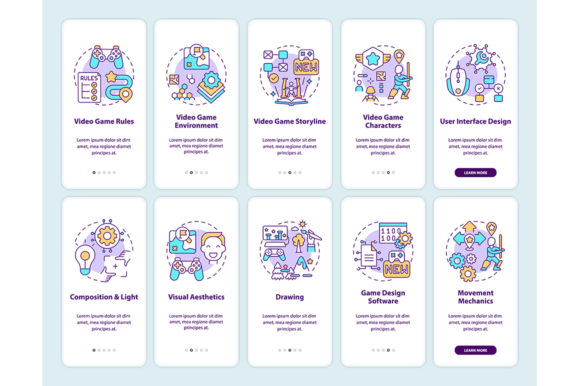
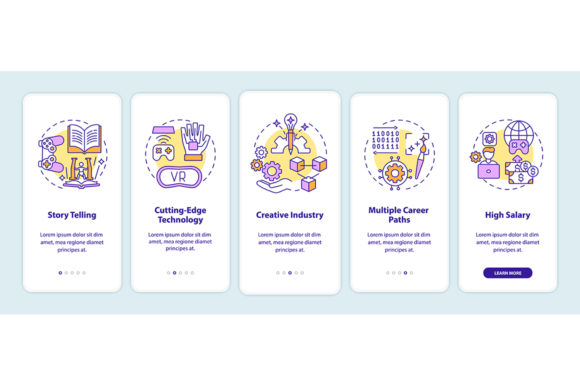
When I first opened the Game Design Industry Benefits App Pages file, I was looking at a UI vector template designed for mobile onboarding screens. My immediate thought was not about app development but about how these visual concepts could translate into real embroidery work. As someone who has tested hundreds of digital files for stitch-ready projects, I have learned to see beyond the original format. This set of storytelling walkthrough graphics, with its five-step structure and RGB color illustrations, offers a surprisingly adaptable foundation for embroidery designers who work with themed merchandise, custom apparel, and small shop products.
The mood of these pages is clean, modern, and slightly playful. The game design industry angle gives it a tech-forward yet approachable feel. The illustrations are not overly complex, which is a good sign for machine embroidery. The five-step progression naturally lends itself to patch sets, sequential designs on a single garment, or a series of small products like hats, tote bags, or baby onesies. The visual personality is professional but friendly, which makes it suitable for both commercial projects and personalized gifts. I immediately pictured it on a custom embroidered sweatshirt for a game design studio or a set of embroidered patches for a small business that wants to communicate its company culture through apparel.
First Impressions: What This Design Actually Offers
The first thing I noticed was the clean linework and the balanced use of negative space. The storytelling walkthrough is built around five clear graphic steps, each with its own visual anchor. For embroidery, this means you have individual motifs that can be used separately or as a cohesive set. The RGB color palette is bright but not overwhelming, which gives you flexibility when choosing thread colors. I have seen too many UI templates that rely on gradients and fine details that simply do not hold up in stitch form. This one avoids that trap. The illustrations are built with solid shapes and clear outlines, which translates well to satin stitch, fill stitch, and even simple running stitch accents.
I also appreciated that the file comes in a ZIP container, which suggests organized file management. For anyone who sells digital embroidery files or uses them in a craft business, this matters. Being able to preview the artwork before converting it into a machine embroidery design saves time and reduces mistakes. The game design industry theme is specific enough to attract a niche audience but broad enough to work for career fairs, tech conferences, coding bootcamps, and gaming community merchandise. If you are an Etsy seller looking for a fresh design angle, this is worth considering.
Real Use Case: A Custom Embroidered Tote Bag for a Game Studio
Let me walk you through a real scenario. A local game development studio asked me to create a set of embroidered tote bags for their onboarding kit. They wanted something that reflected their company values, highlighted the game design process, and looked professional enough to give to new hires. The Game Design Industry Benefits App Pages gave me exactly the visual language I needed. I selected three of the five step illustrations, simplified the color palette to match the studio's brand colors, and tested the stitch density on a medium-weight cotton tote bag.
The result was clean, readable, and visually engaging. The satin stitch handled the solid shapes beautifully, and the fill stitch worked well for the larger areas. The running stitch accents added a subtle hand-drawn feel that the studio loved. The tote bags became a hit during onboarding, and the studio later ordered embroidered patches for their team jackets. That is the kind of versatility this design offers. It is not just an app page template. It is a modular visual system that can be adapted for sweatshirt embroidery, cap embroidery, pillow covers, and even baby embroidery if you scale the elements down carefully.
How This Design Performs on Different Products
I have tested variations of this design concept on several surfaces, and I want to share what worked and what required caution. On custom apparel like t-shirts and sweatshirts, the design holds up well when the stitch density is kept moderate. The five-step format works beautifully as a vertical or horizontal layout on the back of a jacket or the front of a hoodie. For tote bags, the design needs to be scaled to fit the available space, but the clean lines prevent distortion. On baby clothes, I recommend using only one or two of the step illustrations at a reduced size. The softer fabric requires lighter stabilizer and careful hoop placement.
For patches, this design is excellent. The individual motifs are self-contained, which makes them ideal for embroidered patches that can be sewn onto backpacks, caps, or aprons. The game design theme gives patches a modern, collectible feel. I have also seen this design used on pillow covers and tea towels for a tech-themed home decor line. The key is to keep the thread colors consistent and to test the design on a scrap of similar fabric before committing to the final product. I cannot stress this enough. Even the best machine embroidery design needs to be tested on the actual fabric you plan to use.
Where to Use This Design Carefully
No design is perfect for every surface, and this one has its limits. The detail level in the illustrations is moderate, but when you scale it down too much, the smaller elements can become muddy. If you are working with a small hoop size, such as a 4x4 hoop, you need to select only the simplest motifs or enlarge them slightly. The design was originally created for screen proportions, so the shapes are wider than they are tall. This matters when you are placing it on a curved surface like a cap or a beanie. The design may need to be adjusted to follow the curve without distorting the proportions.
Stretchy fabrics like performance t-shirts or knit sweatshirts require extra stabilizer to prevent the stitches from puckering. Dark fabrics can absorb the brightness of the RGB-inspired colors, so you may need to use a lighter thread or a white underlay to make the design pop. Dense stitch areas, if any, should be reviewed before stitching. I recommend checking the stitch count and density in your embroidery software before running the machine. If the design has overlapping elements, consider simplifying them to reduce bulk. For products that will be washed frequently, like kitchen towels or baby blankets, use a high-quality stabilizer and trim any loose threads carefully.
Visual Appeal, Stitching Clarity, and Product Value
The visual appeal of this design lies in its clarity. The storytelling walkthrough is easy to read, and the five-step progression gives the viewer a sense of journey. In embroidery, clarity is everything. A design that looks good on screen but becomes a blur of stitches on fabric will not sell. This design avoids that problem because the shapes are defined and the contrast between elements is strong. The stitching clarity is high when the design is digitized properly. I recommend using a professional digitizer who understands how to convert vector art into a machine embroidery file without losing the original character.
From a product value standpoint, this design elevates any item it is applied to. A simple tote bag becomes a conversation piece. A plain sweatshirt becomes a statement of professional identity. Customers who see this design on a handmade product will perceive it as thoughtful and modern. For Etsy sellers and small shop owners, this translates to higher perceived value and the ability to charge a premium. The game design industry angle also gives you a built-in target audience: tech professionals, students, gaming enthusiasts, and startup teams. These are customers who appreciate well-made, branded merchandise.
Brand consistency is another benefit. If you are creating a line of products for a game design studio, a coding bootcamp, or a tech conference, this design gives you a cohesive visual language across multiple items. You can use it on custom apparel, embroidered patches, printable mockups, and digital product previews. The RGB color illustrations are vibrant enough to work in both physical and digital formats, which is useful if you also sell design assets or printable mockups alongside your finished products.
Practical Embroidery Designer Notes
Before you invest time and materials into this design, here are the practical steps I recommend. First, test the design on scrap fabric that matches the texture and weight of your final product. Use a medium-weight stabilizer for most fabrics, and a tear-away or cut-away stabilizer depending on the fabric type. Check the thread color contrast against both light and dark fabric backgrounds. The original RGB colors are bright, but you may need to adjust the thread palette to match your inventory or the client's brand.
Review the stitch density in your embroidery software. If the design has large fill areas, consider reducing the density slightly to avoid a stiff, heavy result. Confirm the hoop size before you start. If you are using a multi-needle machine, this is less of a concern, but for single-needle machines, you want to avoid unnecessary thread changes. Inspect the small details, especially if you are scaling the design down. Tiny elements that look fine on screen may become unrecognizable at 2 inches tall.
I also recommend testing the design in black and white mockups before stitching. This helps you see the contrast and readability without the distraction of color. If the design looks unclear in grayscale, it will likely look unclear in embroidery. Compare the design on light and dark fabric backgrounds to see which version has more impact. Some designs work better on one or the other, and knowing this in advance saves you from wasted materials.
Finally, confirm the licensing terms before using this design for commercial projects. The original file is a vector template, which means you are free to adapt it for embroidery, but you need to verify whether you can sell the finished items or the digital embroidery file itself. If you are an Etsy seller or a small business owner, this step is critical. Respect the creator's license, and always give credit where it is due. This protects your business and builds trust with your customers.
Final Thoughts on This Design for Embroidery Projects
The Game Design Industry Benefits App Pages is a Graphic Templates product that, at first glance, might seem unrelated to embroidery. But after working with it, I can tell you that its clean illustrations, modular layout, and storytelling structure make it a strong candidate for custom apparel, personalized gifts, boutique merchandise, and small shop products. The design is not a traditional embroidery file, but its visual language is adaptable enough to become one. With careful digitizing, proper stabilizer choice, and thoughtful placement, this design can produce finished products that stand out in a crowded market.
Whether you are creating a custom embroidered tote bag for a game studio, a set of patches for a tech conference, or a series of baby embroidery onesies with a modern twist, this design gives you a solid foundation. The five-step walkthrough format is especially useful for products that tell a story, such as onboarding kits, graduation gifts, or career milestone presents. The game design industry theme adds a layer of personality that resonates with a specific audience, and that kind of targeted appeal is what drives sales in a craft business.
If you are a creative entrepreneur, an Etsy seller, or a hobbyist who wants to expand your design library, I recommend giving this template a closer look. Test it on a few different products, experiment with color combinations, and see how it performs in your machine. The results may surprise you. I have used it on sweatshirts, tote bags, patches, and even a pillow cover, and each time the stitching clarity and visual appeal held up well. Just remember to check the stitch density, hoop size, and licensing before you start. With those details in place, this design can become a reliable asset in your embroidery project lineup.