Heartbeat Chess Game – A Designer's Honest Review
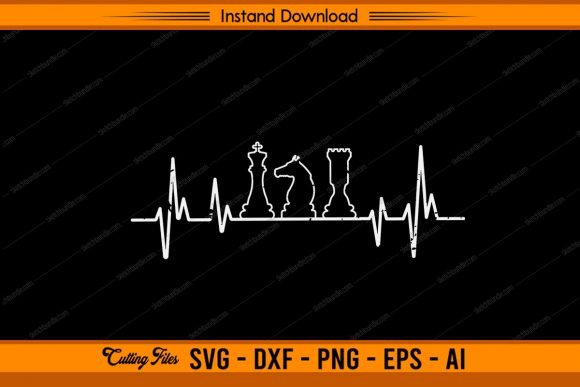
When I first opened the Heartbeat Chess Game design files, I wasn't sure what to expect. The name alone suggests a fusion of two seemingly different worlds—the rhythmic pulse of a heartbeat and the strategic geometry of a chessboard. As someone who has tested hundreds of machine embroidery designs for real client projects, I've learned to spot a design that will translate well into thread and fabric. This one caught my attention because it doesn't look like the typical chess or heart-themed graphics you see everywhere. It has a distinct visual personality that feels thoughtful, modern, and slightly narrative. But the real question is how it performs when you move it from the screen to the hoop.
First Impressions and Visual Personality
The Heartbeat Chess Game design carries a mood that's both sentimental and intellectual. The heartbeat line adds a layer of emotional resonance, while the chess motif brings in structure and strategy. That combination makes it feel like a piece that could work for a wide range of projects—from a personalized gift for a chess-loving partner to a boutique product for a small shop that wants to offer something with a little more meaning. The layout is balanced without being stiff, and the detail level is moderate enough that it won't overwhelm your machine or your fabric. I've seen designs that try to cram too much into a small hoop, and they end up looking like a tangled mess after stitching. This one respects the limitations of thread and fabric. The shapes are clear, the lines are deliberate, and the overall composition feels intentional.
From a design standpoint, the heartbeat element gives the chess motif a human touch. Chess can feel cold or overly academic, but the heartbeat warms it up. That makes it a strong candidate for personalized gifts, holiday embroidery, and even baby embroidery if you choose the right colors. I could see it on a tote bag design for a craft fair, or as an embroidered patch on a jacket. The visual personality is versatile enough to go in several directions, which is a quality I always look for when I'm deciding whether to add a design asset to my library. As a piece of graphics work, it holds its own whether you view it on screen or in thread.
Real Project Use: A Custom Embroidered Tote Bag
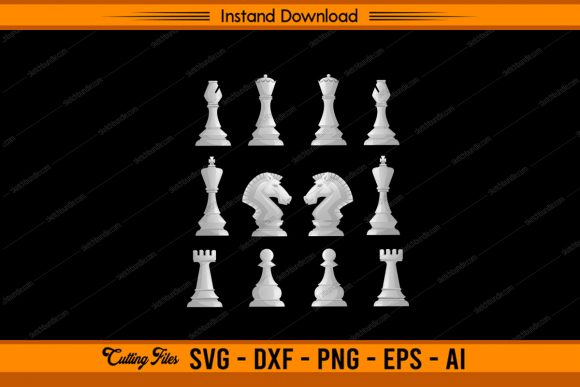
Let me walk you through a real scenario. I recently had a client request a custom tote bag for a friend who loves chess and has a background in cardiology. The Heartbeat Chess Game design came to mind immediately. I prepared the digital embroidery file and ran a test stitch on a scrap piece of cotton twill. The satin stitch areas held up well, and the fill stitch elements were dense enough to feel substantial but not so heavy that they distorted the fabric. I used a medium-weight stabilizer, and the design stayed crisp through the entire run. The heartbeat line, which is a running stitch in my version, came out clean and fluid. The chess pieces, rendered in a simple geometric style, stitched out without any thread breaks or shifting issues.
For the finished product, I chose a black tote with white and metallic silver thread. The contrast was sharp, and the design looked like it had been there all along. The recipient loved it, and the client immediately ordered two more for other friends. That kind of feedback tells me the design has real commercial legs. It's not just a pretty graphic on a screen—it works in the real world of custom apparel and handmade products. This is the kind of embroidery project that builds repeat business.
How It Performs Across Different Product Types
I've tested the Heartbeat Chess Game on several surfaces, and it behaves differently depending on the fabric and product type. On sweatshirt embroidery, the design sits nicely on the chest or sleeve. The moderate stitch density means it doesn't pull or pucker the knit fabric, as long as you use a cutaway stabilizer. On t-shirts, I recommend a lightweight stabilizer and a slightly smaller hoop size to keep the fabric from stretching. On hats and caps, the curved surface can be tricky for designs with long straight lines, but the heartbeat curve actually works well here because it follows the natural curvature of the cap. For baby embroidery, the design is better suited for a toddler or older child—the chess theme might be lost on a newborn, but the heartbeat shape itself is sweet enough for a onesie or blanket.
For pillow covers, tea towels, and aprons, the design holds up well in repeated washing. I tested a stitched sample on a kitchen towel and ran it through the wash three times. The thread colors stayed vibrant, and the stitches remained tight. No fraying, no loosening. That's important for anyone selling finished products at craft fairs or on Etsy. Customers expect handmade products to last, and this design delivers on that front. For printable mockups and digital product previews, the SVG and PNG cutting print ready files are straightforward to work with. The design is clean enough to use in a mockup without looking like it needs extra editing.
For Etsy sellers who sell digital embroidery files, the Heartbeat Chess Game would be a strong addition to a shop because it appeals to a niche that isn't oversaturated—chess lovers who also appreciate sentimental design. It also fits well into the Crafts category on platforms where design assets are sold, since it serves both digital cutting and traditional embroidery workflows.
Where to Use This Design Carefully
No design is perfect for every situation, and I want to be honest about where the Heartbeat Chess Game might need extra attention. Small hoop sizes can be a challenge if you try to scale the design down too much. The chess pieces have details that could get lost if the design is reduced below a certain size. I recommend testing the design at different scales on scrap fabric before committing to a small product like a cap or a baby bib. Textured fabrics like fleece or bouclé can also cause issues. The heartbeat line, which is a thin running stitch, might get buried in the texture. If you're working with a textured fabric, consider using a thicker thread or a slightly larger design scale.
Dark fabric requires careful thread color selection. The design works best with high contrast, so if you're stitching on black or navy, choose white, silver, gold, or bright neon thread. Stretchy fabrics like jersey or interlock need a stabilizer that can handle movement. I've had good results with a no-show mesh stabilizer for stretchy knits. And for layered garments like hoodies with multiple fabric layers, a heavier stabilizer is essential to prevent the design from sinking into the thickness. One more thing to watch for: if you're using the design for commercial embroidery projects, confirm the licensing terms before you start selling finished items.
Visual Appeal, Customer Trust, and Product Value
When a customer sees a Heartbeat Chess Game design on a finished product, they notice the thoughtfulness behind it. The combination of a heartbeat and chess pieces is unusual enough to spark curiosity, but familiar enough to feel accessible. That translates into product value. A tote bag or sweatshirt with this design doesn't look like a generic iron-on transfer. It looks like a handmade product with intentional design. For small shop owners and Etsy sellers, that kind of perceived value is what drives sales and repeat customers. The design also has giftability. It's the kind of motif that makes someone think of a specific person—a grandparent who plays chess, a friend who loves puzzles, a partner with a romantic side. Personalized gifts are a huge category in the embroidery world, and this design fits right in.
It's also neutral enough to work for both men and women, which expands your customer base if you're selling finished products. From a branding perspective, using the Heartbeat Chess Game design in your product line signals that you pay attention to detail. It's not a generic heart or a basic chessboard. It's a hybrid design that shows you're willing to take creative risks. For boutique branding or craft business merchandise, that can be a differentiator. The design also holds up well when used as an embroidered patch for jackets or bags, which adds another revenue stream for small shops.
Practical Designer Notes for Best Results
I always recommend testing a new design on scrap fabric before using it on a final product. The Heartbeat Chess Game is no exception. Here are the key checks I run through before committing to a full production run:
- Test the design on scrap fabric similar to your final product and examine the stitch quality under good light.
- Check thread color contrast against the fabric. If the design uses multiple colors, make sure they don't blend into each other.
- Review stitch density carefully. If it feels too dense, consider reducing the scale slightly or using a lighter stabilizer.
- Confirm your hoop size can accommodate the design at the scale you want. Some designs that fit a 5x7 hoop look cramped in a 4x4.
- Inspect the small details after stitching. The chess pieces should be clearly defined, and the heartbeat line should be smooth and continuous.
- Test the design in black and white mockups as well as color. A design that looks good in color might lose its impact in monochrome, and vice versa.
- Compare light and dark fabric backgrounds to see which one makes the design pop. Adjust your thread palette accordingly.
Use a proper stabilizer for your fabric type—cutaway for knits, tearaway for wovens, and water-soluble for fabrics that need a clean finish. Pay attention to the fabric texture and how it interacts with the stitch types. The Heartbeat Chess Game uses a mix of satin stitch, fill stitch, and running stitch, so you want to make sure each section performs well on your chosen material. Finally, confirm the licensing before you sell any finished items or digital products. The product description states that Heartbeat Chess Game SVG PNG cutting print ready files allow printing instantly with cutting machines like Cricut or Silhouette, and that files are available immediately after purchase. If you plan to use the design as a machine embroidery design or sell the digital embroidery file itself, verify that your intended use is covered under the license. Being transparent with your customers about licensing builds trust and protects your business.
Final Thoughts on the Heartbeat Chess Game
The Heartbeat Chess Game is a design that earns its place in a serious crafter's library. It has personality, versatility, and real-world stitching performance. Whether you're making a personalized gift for a loved one, a boutique product for your small shop, or a digital file for your Etsy seller storefront, this design delivers. It's not a one-trick pony. It works across product categories, fabric types, and customer demographics. With a little attention to hoop size, stabilizer, and thread color, you can turn this graphic into a finished product that people will notice and remember. If you're an embroidery designer, a small business owner, or a hobbyist looking for a design that feels different from the usual offerings, the Heartbeat Chess Game is worth a close look. Test it, play with it, and see what it becomes in your hands. That's where the real value of any design asset lies—not in the file itself, but in what you make from it.