Wooden Window Graphics for Cartoon Game Illustrations
As a designer who regularly sources assets for client projects, I’ve learned to judge a graphic quickly. Does it feel generic or purposeful? Will it adapt to different media, or is it locked into one narrow style? When I first looked at the Wooden Window for Cartoon Game. Ui Eleme, I saw something that could work well in several real-world design contexts. Let me walk through what I observed, where I’d use it, and what you should check before adding it to your own commercial toolkit.
First Impressions of This Graphic Design Asset
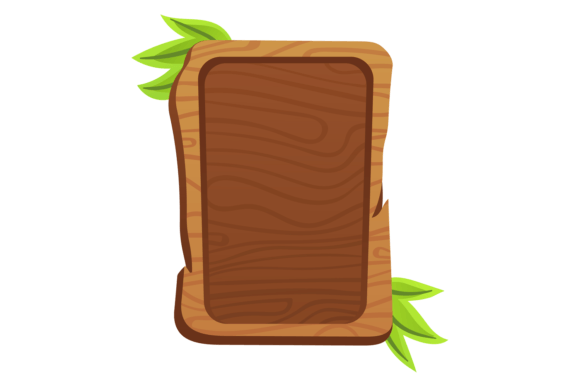
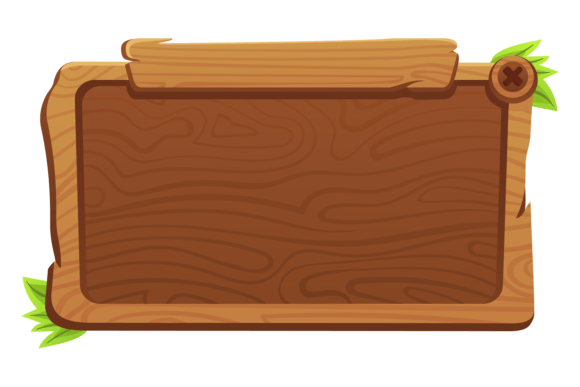
The Wooden Window for Cartoon Game. Ui Eleme has a charming, hand-drawn quality that sits comfortably between a polished game interface and a whimsical storybook illustration. The wood texture reads as warm and natural, while the cartoon proportions keep it approachable. This isn’t a hyper-realistic window—it’s a stylized element that brings personality to any scene. For a client project that needs a friendly, inviting tone, this asset delivers that mood without feeling childish.
The isolated white background in the preview suggests the file is ready to drop into compositions quickly. When you’re working on tight deadlines—like a weekend market launch or a last-minute social media campaign—that kind of convenience matters. The inclusion of EPS, JPG, SVG, and transparent PNG formats means you can scale it from a small icon on a mobile app to a large poster without losing quality. As a digital product, it fits neatly into a modern design workflow, whether you’re building a brand identity or assembling a quick mockup for a client pitch.
Where This Illustration Works Best in Client Projects
I recently prepared a visual concept for a small handmade business that sells candles and bath products. The brand wanted a cozy, cottage-core aesthetic for their Etsy shop banners, product labels, and Instagram posts. The Wooden Window for Cartoon Game. Ui Eleme became a natural anchor for the layout. I placed it behind the product name on the label, used it as a decorative frame for a seasonal promotion, and even incorporated it into a sticker design for their packaging. This is exactly the kind of creative design scenario where a well-crafted illustration elevates the entire project.
For a client like that, the asset works best in large layout areas or as a hero graphic. It draws the eye without overwhelming the message. The wood tones are warm enough to complement earthy color palettes, and the cartoon style keeps the brand from feeling too serious or corporate. If you’re designing for a boutique product line, a handmade brand, or a local event with a rustic theme, this element can support the visual direction effectively. It also works well as a product mockup element—placing it behind a bottle or jar label gives an instant sense of place and atmosphere.
Another scenario where this asset performed well was in a set of social media graphics for a children’s educational app. The client needed a friendly, game-like interface that felt safe and inviting for young users. The Wooden Window for Cartoon Game. Ui Eleme worked as a background element for reward screens, a decorative frame for achievement badges, and a consistent visual cue across the app’s marketing materials. It helped tie the brand identity together without requiring a full custom illustration set. For content creators and bloggers who produce regular themed content, this kind of clipart is a time-saving asset that still feels bespoke.
Matching the Mood to Your Brand or Campaign
The mood of this graphic is warm, playful, and slightly nostalgic. It reminds me of the hand-drawn assets you’d find in a high-quality children’s book or a cozy mobile game. If your brand or campaign targets families, children, or anyone looking for a gentle, inviting aesthetic, this asset aligns well. On the other hand, if you’re working on a sleek, minimalist brand identity or a professional corporate project, the cartoon style might feel out of place. Understanding visual hierarchy means knowing when a decorative element like this supports the message and when it competes with it.
I’ve used this asset in a Canva template for a fall festival flyer, and it worked beautifully. The wood tones matched the autumn color palette, and the cartoon window added a whimsical touch that made the flyer stand out. For a Cricut project, I converted the SVG into a layered paper cutout and used it as a decorative element on a gift tag. The transparency in the PNG file also made it easy to overlay on different backgrounds without any visible white edges. If you’re a print-on-demand seller or a digital seller on Etsy, having a versatile SVG design like this in your library can speed up your product creation process significantly.
Testing the Asset Across Different Design Contexts
Before committing to any asset for a client project, I run a few quick tests. For the Wooden Window for Cartoon Game. Ui Eleme, I checked how it looked in black and white to ensure the contrast was strong enough for grayscale applications. The wood grain and window frame details held up well, which is important for printable designs like stickers or t-shirt designs where color might not always be used. I also tested it on both light and dark backgrounds. On a white or light background, the window stays crisp and clear. On a dark background, the wood tones darken slightly, so you may need to adjust the brightness or add a subtle drop shadow to maintain separation. This is a common consideration with any illustration that relies on mid-tone colors.
When I previewed the asset at small sizes—like a social media profile picture or a tiny icon on a packaging label—the details remained readable. The window frame and panes are simple enough to scale down without losing shape. At large sizes, the hand-drawn texture becomes more visible, which adds character but also means you should check the resolution for print projects. The EPS and SVG formats give you the flexibility to scale without pixelation, which is a major advantage for commercial design work. I also recommend testing the file in your vector editor to ensure the layers are clean and editable. In this case, the Wooden Window for Cartoon Game. Ui Eleme was well-organized, which saved me time when I needed to adjust the color for a specific brand palette.
Practical Notes on File Formats and Commercial Licensing
The file package includes EPS, JPG, SVG, and transparent PNG. For most design workflows, the SVG and EPS are the most valuable because they allow full editability in vector software. If you’re working in Canva or another drag-and-drop platform, the transparent PNG is your best friend. The JPG provides a quick preview but lacks the flexibility of the other formats. When you’re building a design bundle for a client or creating multiple assets for a campaign, having these format options ensures you’re prepared for whatever output the project requires.
Before using this asset for a client project, confirm the commercial license. Many assets on creative marketplaces are licensed for personal or small business use, but if you’re designing for a large brand or a high-volume print-on-demand operation, you may need an extended license. Always check the terms to avoid legal issues later. This is especially important for sublimation design work, where the asset will be reproduced on merchandise like mugs, tote bags, and apparel. A clear commercial license gives you the confidence to use the asset freely in your marketing visuals, packaging design, and editorial design projects.
When to Use This Graphic Carefully
No asset is perfect for every situation. The Wooden Window for Cartoon Game. Ui Eleme is best used in contexts where the cartoon style fits the brand voice. If you’re designing a corporate report, a luxury product line, or a professional service website, this graphic will likely feel too casual. The warm, playful mood works well for lifestyle brands, children’s products, seasonal campaigns, and small business branding, but it may not align with a minimalist or high-tech aesthetic. In crowded layouts with multiple competing elements, the window might get lost. It’s best used as a focal point or a supporting accent rather than a background texture. If you’re placing it alongside other illustrations, make sure the style is consistent. Mixing a cartoon window with photorealistic elements can create visual dissonance that hurts the overall polish of your design.
For brand identity projects, consider how the asset interacts with typography. I tested it with serif, sans serif, script, handwritten, and display font styles. The window paired best with rounded sans serif and handwritten fonts, which reinforced the friendly, approachable mood. With a formal serif, the contrast felt intentional but required careful spacing. For web design, the asset works well as a decorative element in headers or as a background accent, but it should not compete with primary navigation or calls to action. Always prioritize clarity and hierarchy in your layout, especially when using decorative illustrations in commercial design.
Final Thoughts on This Creative Design Asset
Overall, the Wooden Window for Cartoon Game. Ui Eleme is a solid addition to any designer’s collection of graphic design assets. It offers a warm, hand-drawn aesthetic that works well for a wide range of client projects, from product packaging and social media graphics to printable designs and digital interfaces. The multiple file formats make it versatile, and the clean vector structure allows for easy customization. If you’re a small business owner, content creator, or designer working on a project that needs a friendly, inviting visual element, this asset is worth considering. Just remember to test it in your specific layout, check the contrast on different backgrounds, and confirm the licensing terms before using it commercially. With those precautions in place, the Wooden Window for Cartoon Game. Ui Eleme can help you deliver a polished, professional result that resonates with your audience.