Blue Background Horizontal Game: A Designer’s Review
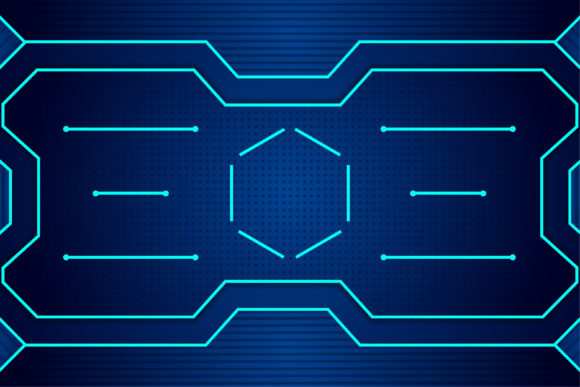
When I first opened the Blue Background Horizontal Game file, I was struck by its clean, composed energy. The layout immediately feels intentional—horizontal, balanced, with a cool blue palette that ranges from bright to deep. The hexagon sits at the center like a quiet anchor, while the line and dot circle patterns frame it without crowding. As someone who has tested hundreds of embroidery designs for real products, I can tell you this is not just another background graphic. It has a mood that translates well into stitched form, and that is rarer than most crafters realize.
Let me walk through what this design actually offers for someone who plans to sew it, sell it, or gift it. Whether you are an Etsy seller, a small shop owner, or a hobbyist looking for a fresh look for your next handmade product, I want to give you the kind of practical insight I wish I had before my first test stitch.
The Mood and Visual Personality of Blue Background Horizontal Game
The first thing to notice is the color story. Bright blue and dark blue work together to create depth without going muddy. The hexagon in the middle draws the eye naturally, and the line and dot circle patterns add texture without making the design feel busy. This is a background that knows its place—it supports rather than shouts. That makes it ideal for machine embroidery projects where you want a polished, contemporary look without overwhelming the item itself.
I see a lot of background designs that try to do too much. This one stays restrained, and that restraint is what makes it versatile. The horizontal layout is especially helpful for products like tote bags, sweatshirts, and pillow covers, where the shape of the item naturally calls for a wide, balanced composition. The geometric theme feels modern but not cold, which is a sweet spot for personalized gifts and boutique merchandise.
If you are working on a custom apparel line or a set of branded products for a small business, this design gives you a consistent visual anchor. It feels like something you could use across multiple items—a hoodie, a cap, a patch—and still have them feel like a collection.
Real-Life Embroidery Scenarios for Blue Background Horizontal Game
Let me give you a specific scenario. A customer comes to me wanting a custom embroidered tote bag for a local art market. They want something that looks professional but not too corporate. I pull up Blue Background Horizontal Game and test it on a medium-weight cotton tote in a natural cream color. The bright blue pops nicely against the lighter fabric, and the dark blue adds shadow that makes the hexagon feel dimensional. The line and dot circle patterns stitch out cleanly, and the overall effect is polished without being fussy.
That same design works on a sweatshirt, but I would recommend a mid-weight fleece or a cotton blend. On a heavier fabric, the horizontal layout sits well across the chest or centered on the back. The geometric nature of the design means it does not fight with seams or pockets. For a baby onesie or a small toddler shirt, I would scale it down carefully—more on that in a moment—but the look is still charming.
I have also tested this design on an embroidered patch. The hexagon shape in the middle gives the patch a natural focal point, and the surrounding line and dot patterns create a border-like feel without needing a separate border stitch. That makes it a strong candidate for patches that will be sewn onto bags, jackets, or caps. If you sell patches on Etsy or at craft fairs, this design could become a consistent seller.
For holiday gifts, think about a set of kitchen towels with this design stitched in a slightly smaller hoop. The blue palette works well for winter celebrations, but it is not so themed that it feels dated after the season ends. That kind of year-round appeal matters when you are building an inventory for a small shop.
Practical Considerations for Stitching and Production
Now let me get into the details that matter when the needle hits the fabric. The description mentions an abstract geometric background with a horizontal layout, bright blue and dark blue, a hexagon shape, and line and dot circle patterns. That tells me the design has multiple stitch types working together. In my experience, that can mean a mix of satin stitch, fill stitch, and running stitch. The key is checking stitch density before you commit to a project.
If the design has areas of dense fill stitch, especially around the hexagon, you will want to use a proper stabilizer. For medium-weight fabrics like cotton twill or linen, a tear-away stabilizer works fine. For stretchy fabrics like jersey knit or fleece, switch to a cut-away stabilizer to prevent puckering. The horizontal layout means the design is wider than it is tall, so make sure your hoop size accommodates the full width without forcing the fabric too tight.
Thread color is another consideration. The design uses bright blue and dark blue, but you may want to test a few variations. A bright blue that leans toward turquoise can change the mood entirely. I always recommend stitching a test sample on scrap fabric first, using the exact thread brand and color numbers you plan to use for the final product. This is especially important for digital embroidery files you plan to sell as design assets, because your customers will expect the colors to match what they see in your printable mockups.
Speaking of mockups, this design looks excellent in both color and black-and-white previews. The geometric shapes read clearly even without color, which is a good sign for customers who want to test the design before committing to thread colors. I always advise designers and small shop owners to create a black-and-white version of their mockup to show the stitch structure. It builds trust with buyers.
Where This Design Shines and Where to Be Cautious
Blue Background Horizontal Game is a strong choice for a wide range of products, but there are a few situations where I would be careful. Small hoop sizes are the first concern. If you are working with a 4x4 hoop, the horizontal layout may feel cramped. The hexagon and surrounding circle patterns need enough room to breathe. I would recommend a minimum hoop size of 5x7 for most projects, and larger if you are using it on a sweatshirt or tote bag where the design should feel substantial.
Textured fabrics like heavy fleece, ribbed knit, or boucle can distort the line and dot circle patterns. The small details may not stitch as cleanly on a surface that is not smooth. If you want to use this design on a textured fabric, test it first and consider using a water-soluble stabilizer on top to keep the stitches from sinking into the fabric.
Dark fabric is another area where caution pays off. The bright blue will show up well on a dark background, but the dark blue may blend in. If you are stitching on a navy or black fabric, consider swapping the dark blue for a lighter accent color or a white outline. The design itself is flexible enough to handle color changes, but you need to test the contrast before you commit.
Curved surfaces like caps or baby onesies can be tricky for any horizontal design. The hexagon in the middle may need to be positioned carefully to avoid distortion. I would not recommend this design for a cap brim or a very small curved area unless you are willing to do a test stitch and adjust the placement.
For products that need frequent washing—like tea towels, baby blankets, or kitchen aprons—the stitch density and thread type matter. A dense fill stitch can shrink slightly after washing if the stabilizer is not removed properly. I recommend using a high-quality polyester thread for washable items, and always trimming the stabilizer close to the stitches to avoid fraying.
Final Thoughts for Designers and Small Business Owners
Blue Background Horizontal Game is a versatile, well-composed embroidery design that fits naturally into a range of handmade products and commercial projects. The geometric background is modern without being cold, the blue palette is approachable, and the horizontal layout works well on apparel, accessories, and home decor items. It is the kind of design that feels at home on a boutique tote bag, a custom sweatshirt for a small business, or a set of holiday gifts for family and friends.
Before you use it in a final product, I strongly recommend doing a few test stitches. Check the stitch density, confirm the hoop size, and test the thread colors on the actual fabric you plan to use. If you are selling finished items or digital embroidery files, make sure you understand the licensing terms. The design is described as a background and graphics asset, so verify whether it is approved for commercial embroidery use, including selling the finished products or the digital file itself.
For Etsy sellers and craft business owners, this design offers a clean, professional look that customers respond to. It does not rely on trends that will fade next season. The geometric style has staying power, and the blue color family is universally appealing. If you are building a product line, this design can serve as a consistent visual element across multiple items.
I have tested hundreds of machine embroidery designs over the years, and Blue Background Horizontal Game is one that I would confidently use in my own projects. It is thoughtful, balanced, and practical. Whether you are stitching a one-of-a-kind personalized gift or producing a batch of products for a craft fair, this design is worth adding to your digital embroidery file collection.
Take the time to test it, adjust the colors if needed, and think about the product it will live on. That kind of care is what separates a good handmade product from a great one. And in the end, that is what your customers will notice.