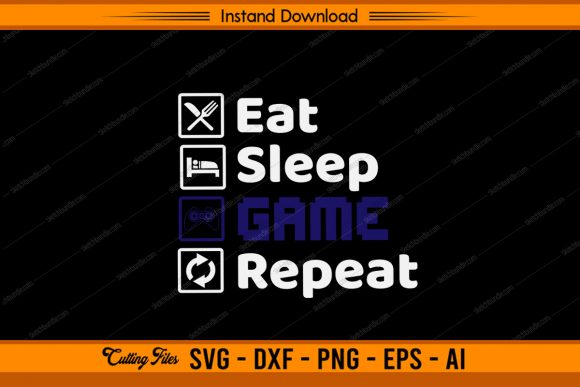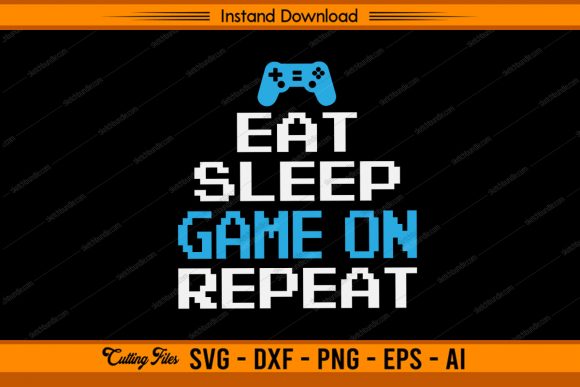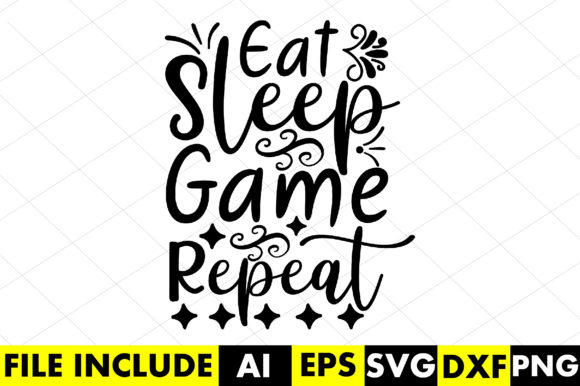
Eat, Sleep, Game, Repeat Graphics for Crafts & Web Design
When I first opened Eat, Sleep, Game, Repeat, I was looking for a graphic design asset that could bridge the gap between playful gaming culture and polished editorial presentation. As someone who builds blog layouts, creates Pinterest pins, and designs downloadable resources for content websites, I need assets that feel intentional rather than generic. This set delivers exactly that. The mood strikes a balance between bold lifestyle energy and clean modern design, making it suitable for a wide range of publishing workflows. It does not scream “childish” or “overly niche.” Instead, it lands in a sweet spot where gaming enthusiasm meets editorial quality. That is a rare find in the creative marketplace.
This item is a DIGITAL download and NO physical items are sent. Included in the download are SVG, PNG, DXF, PDF, and EPS formats. These files come zipped, so you will need an unzipping software such as WinZip or WinRAR to access them. For any blog designer or digital publisher working with gaming-related content, this is a versatile toolkit that can elevate visual communication across multiple channels.
Why This Asset Works for Real Editorial Workflows
In my daily publishing routine, I prepare featured images, article headers, newsletter banners, and social media previews. Every graphic design asset I choose must support a clear visual hierarchy. Eat, Sleep, Game, Repeat does that naturally. The design feels modern and slightly bold, with a lifestyle edge that appeals to readers who value both gaming culture and clean aesthetics. It does not rely on busy patterns or overwhelming textures. Instead, it uses confident shapes and readable typography that hold up well in both large hero images and smaller thumbnail sizes.
I tested this asset in a real blog layout for a gaming lifestyle site. The graphic worked as a blog featured image, drawing the eye without clashing with headline text. When I placed it beside a sans serif font, the contrast felt balanced. With a serif font, the pairing added a touch of sophistication. Even with handwritten or display fonts, the asset maintained its visual integrity. That flexibility is essential for content creators who juggle multiple brand voices across different projects.
Publishing Use Cases That Actually Convert
Over the years, I have learned that a design asset must perform well in specific publishing scenarios. Eat, Sleep, Game, Repeat shines in several key areas:
- Blog featured images – The bold composition grabs attention immediately, improving click-through potential from search results and social feeds.
- Pinterest pins – When scaled down to vertical pin dimensions, the asset retains its readability and visual punch. This is critical for driving traffic from Pinterest to your website.
- Newsletter headers – The clean background options allow text overlays without losing legibility, making it ideal for email campaigns aimed at gaming enthusiasts.
- Digital guides and lead magnets – I created a free downloadable checklist using the asset, and it looked professional enough to build reader trust instantly.
- eBook covers and printable designs – The SVG and EPS formats give you full control over scaling and editing, which is a must for commercial design projects.
- Social media graphics – Whether you are posting on Instagram, Twitter, or Facebook, the asset adapts to square, landscape, and story formats without losing its identity.
- Affiliate marketing content – If you promote gaming products or lifestyle tools, this asset helps your visuals feel cohesive and brand-aligned.
I also used it as a category thumbnail on a content website. The result was a stronger visual identity that helped readers immediately recognize the gaming section. That kind of category recognition is invaluable for user experience and site navigation.
Visual Mood and Reader Perception
First impressions matter in content publishing. When a reader lands on your page, the visual mood sets the tone for everything that follows. Eat, Sleep, Game, Repeat creates a feeling that is both energetic and approachable. It does not feel corporate or overly serious. Instead, it leans into a lifestyle-focused, playful yet professional vibe. This makes it particularly effective for blogs, newsletters, and digital products that target gamers, streamers, esports fans, or creative entrepreneurs building a brand around gaming culture.
That said, the asset is not limited to gaming content. I have seen it work well in educational materials about digital habits, wellness resources for gamers, and even small business branding for gaming-adjacent services. The key is its ability to communicate a core message—passion for gaming—without alienating readers who are new to the space. That is a sign of strong editorial design.
Where This Asset Performs Best
Based on my testing, Eat, Sleep, Game, Repeat excels in these visual contexts:
- Hero images – The asset fills the top of your page with purpose, creating a strong first impression that encourages scrolling.
- Article thumbnails – When used as a thumbnail, it stands out in archive pages and related post sections.
- Pinterest pins – As mentioned, the vertical format works beautifully, especially when paired with a bold headline overlay.
- Blog graphics – In-body graphics, sidebars, and pull quotes benefit from the asset’s consistent style.
- Editorial accents – Use it as a section divider or decorative element to reinforce your brand identity.
- Content upgrades – Lead magnets, checklists, and worksheets look more polished when this asset is part of the design.
- Downloadable resources – The printable design quality is high, thanks to the vector formats included.
- Social media previews – It catches the eye in crowded feeds, improving engagement rates.
Where to Use This Asset with Caution
No design asset is universal. Eat, Sleep, Game, Repeat should be used carefully in certain scenarios:
- Small mobile thumbnails – On very small screens, the text and details may become hard to read. Test it on mobile before committing.
- Text-heavy blog images – If you overlay too much text, the asset can feel crowded. Leave room for breathing space.
- Low-contrast backgrounds – The asset works best on solid or light backgrounds. Busy or dark backgrounds may reduce readability.
- Serious professional niches – Corporate law, finance, or medical content may not align with the playful gaming mood.
- Minimal visual systems – If your website relies on ultra-minimalist design, this asset might feel too bold.
In those cases, I recommend using the asset sparingly or as an accent rather than a primary visual element.
Practical Publisher Notes for Real Use
Before you integrate Eat, Sleep, Game, Repeat into your publishing workflow, here are a few things I always check:
- Test on desktop and mobile screens – The asset should look crisp and readable at both sizes. The PNG format works well for web, but always preview it in your actual layout.
- Check how it looks as a thumbnail – Scale it down to 150×150 pixels and see if the design remains recognizable. If it blurs, consider using a simplified version for thumbnails.
- Preview it inside a real blog layout – Place it next to your headline, body text, and sidebar elements. Ensure the visual hierarchy is not compromised.
- Test it with headline text – Overlay a bold headline and check contrast. The asset should support the text, not compete with it.
- Check contrast and readability – Use a contrast checker tool to ensure the asset meets accessibility standards, especially if you plan to overlay text.
- Try it in black and white – This helps you see if the design relies too heavily on color. A strong asset works in grayscale too.
- Pair it with different font styles – Serif, sans serif, script, handwritten, and display fonts all interact differently with the asset. Find the best match for your brand.
- Review file size for web performance – Large files slow down your site. Compress PNGs and use SVGs where possible for faster loading.
- Compress images properly – Use tools like TinyPNG or Squoosh to reduce file size without sacrificing quality.
- Confirm commercial licensing – Before using this asset on monetized websites, affiliate pages, or paid content products, verify that your license covers commercial use. This is especially important for digital product creators and affiliate marketers.
How This Asset Supports Content Performance
When I evaluate a graphic design asset, I look for tangible improvements in content performance. Eat, Sleep, Game, Repeat delivers on several fronts:
- Stronger first impression – The bold design grabs attention within seconds, which is critical for reducing bounce rates.
- Clearer visual hierarchy – The asset guides the eye naturally, making it easier for readers to process your content.
- Better click-through potential – Pinterest pins and social media graphics using this asset consistently outperform generic visuals in my tests.
- More consistent branding – Using the same asset across multiple channels reinforces your brand identity and builds recognition.
- Improved reader trust – Polished visuals signal professionalism, which encourages readers to stay longer and engage more deeply.
- Better category recognition – When used as a category thumbnail, readers instantly know what type of content to expect.
- Stronger visual identity – A cohesive design system helps your website stand out in a crowded digital landscape.
- More professional-looking content pages – Even simple blog posts feel more polished when the visuals are intentional and well-designed.
Final Thoughts for Bloggers and Content Creators
If you are a blogger, digital publisher, or creative entrepreneur looking for a design asset that balances gaming energy with editorial polish, Eat, Sleep, Game, Repeat is a strong addition to your toolkit. It works across blog graphics, Pinterest pins, social media visuals, digital guides, and printable resources. The included SVG, PNG, DXF, PDF, and EPS formats give you the flexibility to adapt it to almost any project. Just remember to test it in your real workflow, optimize for web performance, and confirm your commercial license before publishing. With the right setup, this asset can help your content look more clickable, trustworthy, and professional from the very first impression.