Game Template Design for Crafts & Graphics
When you work with digital content day in and day out—whether you are publishing blog posts, designing lead magnets, or building out a visual brand for a content website—you start to develop a quick instinct for which design assets will actually hold up under real publishing pressure. I have been designing blog layouts and editorial content for over a decade, and I have learned that a graphic design asset can either elevate your entire visual system or quietly undermine it. When I first opened the Game Template Design, I immediately recognized its potential as a versatile, ready-to-use asset that fits naturally into the crafts and graphics space. The mood it creates is playful yet polished, energetic without being chaotic, and it carries a modern, slightly retro arcade feel that works beautifully for lifestyle content, educational resources, digital guides, and even small business branding. The first impression is one of confident, clean design—the kind of visual that makes a reader pause and want to click.
Why This Design Asset Feels Right for Real Publishing Workflows
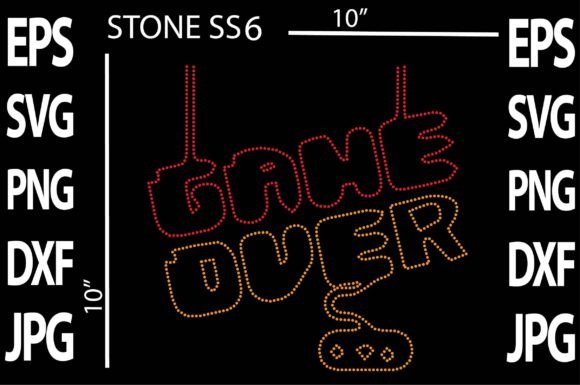
In my own publishing workflow, I am constantly looking for elements that save me time while still delivering a professional, cohesive look. The Game Template Design delivers exactly that. The file set includes EPS, SVG, DXF, and PNG formats, which means you can move seamlessly between print and digital projects. Whether you are preparing blog graphics for a content marketing campaign, designing a printable for an online course, or creating social media visuals for an affiliate marketing push, having these formats on hand removes friction. The EPS and SVG files are perfect for scaling and editing inside vector software, while the PNG gives you a ready-to-use raster option for quick placements. For a digital publisher, this kind of flexibility is not just convenient—it is essential for maintaining visual hierarchy and brand identity across multiple platforms.
How Game Template Design Supports Stronger Visual Communication
One of the biggest challenges in editorial design is making sure your visuals communicate the right message before a single word is read. The Game Template Design does this naturally. Its bold, game-inspired aesthetic immediately signals fun, engagement, and a sense of play. For content creators working in niches like online education, kids' activities, digital products, or creative entrepreneurship, this design asset helps build an instant connection with the audience. It supports a clear visual hierarchy because the shapes and lines are distinct enough to frame headlines, call-to-action buttons, or featured text without overwhelming the layout. When I tested it inside a real blog layout—placing it beside a serif font, then a sans serif, and finally a handwritten font—the design held its own every time. It never felt distracting. Instead, it added a layer of editorial energy that made the page feel more alive and clickable.
Real Publishing Scenarios Where This Asset Shines
I have used the Game Template Design in several real publishing scenarios, and it has proven itself in each one. For blog featured images, it creates a strong, memorable first impression that stands out in a crowded feed. As a Pinterest pin graphic, the bold outlines and playful structure draw the eye quickly, which is critical for click-through rates. I also used it as a website header for a category page focused on game-based learning resources, and the visual consistency it provided helped readers immediately recognize the content type. Beyond these, the design works exceptionally well for newsletter graphics, digital guides, worksheets, eBook covers, and downloadable printables. If you are building a small business brand around crafts, educational tools, or creative products, this asset can serve as a foundation for your entire visual identity. It also integrates smoothly into Canva templates, making it accessible even for team members who do not use advanced design software.
Where the Design Asset Works Best and Where to Be Cautious
From my experience, the Game Template Design performs best in contexts where you want to convey energy, creativity, and approachability. It is ideal for hero images, article thumbnails, Pinterest pins, blog graphics, editorial accents, content upgrades, downloadable resources, category visuals, newsletter headers, and social media previews. The design naturally supports content that needs to feel inviting and visually engaging. However, I recommend using it carefully in certain situations. On small mobile thumbnails, some of the finer details can become less readable, so you may need to scale it appropriately. In text-heavy blog images, the bold style can compete with dense copy, so it works best when paired with short, punchy headlines rather than paragraphs. Low-contrast backgrounds can also mute the design's impact, so always test it against your background color. For serious professional niches like corporate consulting or legal content, the playful mood may feel out of place unless you adapt the color palette significantly. And for websites that need a very minimal visual system, this design might introduce too much visual noise.
Practical Publisher Notes for Using Game Template Design
Before you integrate this design asset into your live content, I have a few practical notes based on my own testing. First, always test it on both desktop and mobile screens. The way the design scales from a large hero image down to a small thumbnail can change how the details read. Preview it inside a real blog layout with your actual headline text to check contrast and readability. I recommend testing it with a serif font, a sans serif font, a script font, a handwritten font, and a display font to see which pairing best supports your brand voice. Check the contrast in both color and black-and-white modes—sometimes the design loses its punch when desaturated. File size is another consideration. The PNG format is ready to use, but you may need to compress it for web performance without losing detail. Finally, confirm the commercial license before using this design on monetized websites, affiliate pages, or paid content products. A clear commercial license gives you peace of mind and protects your work as a digital publisher.
How This Asset Improves Content Performance and Reader Trust
In the world of content marketing and affiliate marketing, every visual element contributes to how readers perceive your brand. The Game Template Design helps improve content performance by creating a stronger first impression, establishing a clearer visual hierarchy, and making your pages look more polished and professional. When readers see consistent, well-designed graphics, they are more likely to trust your content and stay on your page longer. This design asset also supports better category recognition—if you use it consistently across a series of posts or resources, your audience will begin to associate that visual style with your brand. For small business owners and creative entrepreneurs, this kind of brand identity building is invaluable. The design also works well for social media graphics, digital ads, and preview images, giving you a cohesive look across all your channels.
Final Thoughts on Adding This Design to Your Creative Toolkit
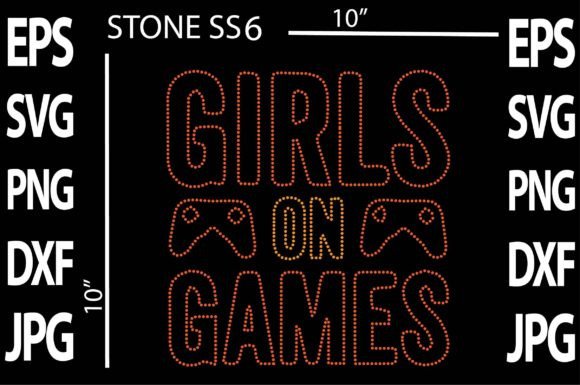
After using the Game Template Design in multiple real publishing projects, I can confidently say it is a valuable addition to any content creator's creative design toolkit. It delivers on the promise of a versatile, ready-to-use graphic design asset that supports both print and digital workflows. The Rhinestone Game template design—with its EPS, SVG, DXF, and PNG formats—gives you the freedom to create T-shirt prints, mug designs, bag graphics, cut machine projects, stickers, and clothing decorations, all while maintaining a consistent visual language. For bloggers, publishers, newsletter creators, online educators, affiliate marketers, and designers, this asset offers a fast, reliable way to elevate your editorial quality and strengthen your brand identity. Whether you are building a new website from scratch or refreshing an existing content system, this design asset deserves a spot in your workflow. It is the kind of resource that makes your work look better, feel more intentional, and connect more deeply with your audience.