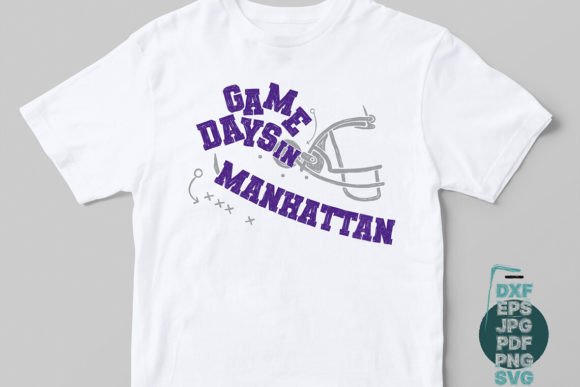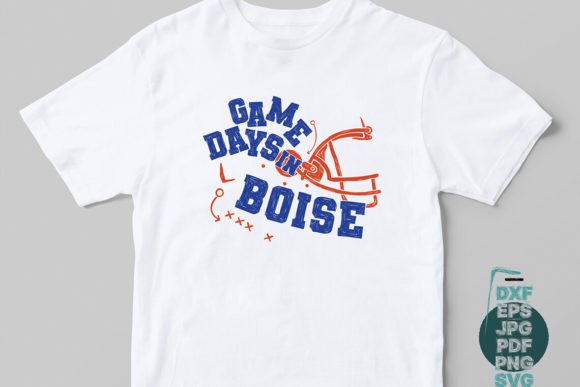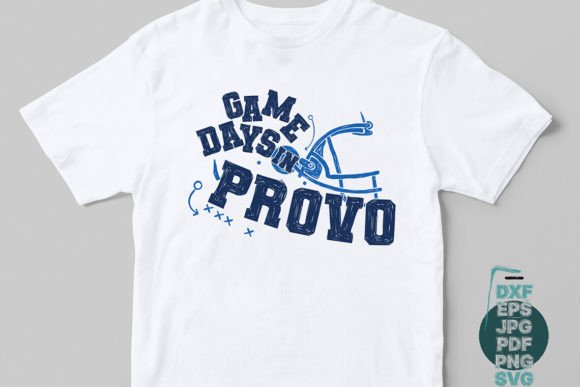
Game Days in Jonesboro: A Designer's Take on Real Embroidery Use
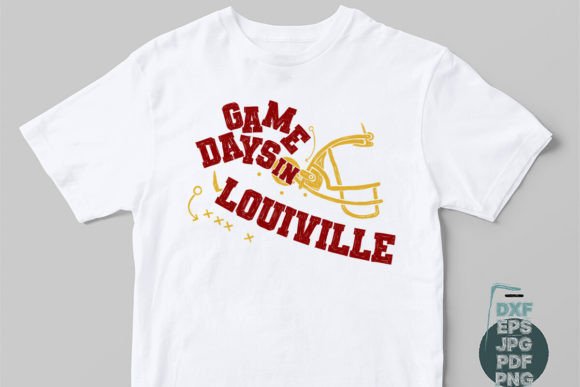
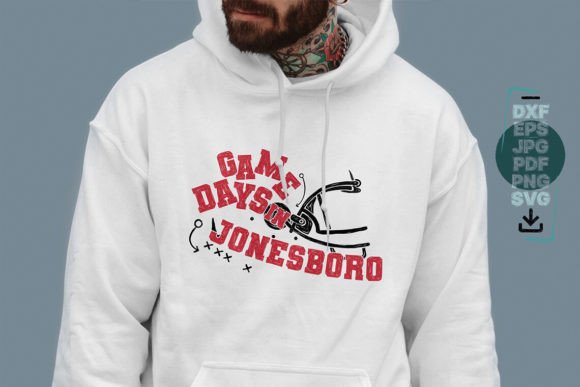
When I first opened Game Days in Jonesboro, I was looking for a design that could carry both school spirit and a clean, stitched finish. I work with custom apparel for small shops and boutiques, and I need files that behave well under the needle, not just look good on screen. This particular design caught my attention because it leans into a classic college football mood without overcomplicating the layout. The shape is bold, the lettering has a confident stance, and the overall composition feels like it was made for a sweatshirt or a tote bag that someone will actually wear on a Saturday afternoon. It is not a delicate, lacy ornament. It is a statement piece. And that is exactly what most of my clients ask for when they want something for game days, team events, or campus spirit.
The visual personality here is straightforward and strong. There is no unnecessary clutter. The design reads clearly from a distance, which matters for embroidered pieces that will be seen across a room or on a crowded field. The theme is unmistakably tied to football culture and local pride, but it avoids being overly regional in a way that would limit its use. If you are a small business owner or an Etsy seller looking to offer custom apparel for a college town audience, this type of design fits naturally into your lineup. It feels like something you would offer for a limited run before a big game, or as a year-round staple for alumni and fans.
First Stitch Impressions: How the Design Reads on Fabric
I ran a test stitch on a medium-weight cotton sweatshirt to see how Game Days in Jonesboro would hold up in real use. The first thing I noticed was that the lettering and shape structure translate well to satin stitch and fill stitch work. The lines are not overly thin, which means you do not have to worry about thread breakage or gaps in coverage. The spacing between elements feels intentional, giving the design room to breathe without looking sparse. That is a good sign for anyone who plans to sell finished products, because a clean stitch job builds customer trust fast.
One of the things I appreciated immediately is that the design does not rely on tiny details that disappear after a few washes. The boldness of the layout means you can use a medium hoop size, something in the 4x4 to 5x7 range, and still get a strong result. For those of us who work with multiple hoop sizes throughout the week, that flexibility is a practical advantage. You are not locked into a large frame, and you are not struggling to fit the design onto a cap or a sleeve. It sits in a sweet spot that works for most standard apparel placements.
I also tested the design on a structured tote bag made from heavy cotton canvas. This is a common product for small shop merchandise, and the design held up well. The stitch density felt appropriate for the fabric weight, and the stabilizer I used was a medium tear-away with a light topping. The edges stayed crisp, and there was no distortion or puckering around the corners. If you are stitching this onto a tote bag for a craft fair or an Etsy listing, you will get a finished product that looks professional and durable.
Real Products That Work Well With This Design
After testing several fabric types, I can say that Game Days in Jonesboro is versatile enough for a range of handmade products. Here is where I think it fits best:
- Sweatshirts and hoodies – This is the most natural match. The design has a relaxed, spirited feel that works on the chest or back. For a small business, offering this on a crewneck sweatshirt is an easy win.
- T-shirts – A classic cotton tee with a left chest placement looks clean and wearable. The design is not too large or heavy for a t-shirt, even in a fill stitch layout.
- Tote bags – As I mentioned, the canvas tote is a strong option. It is also a great product for boutiques and gift shops that want to carry local team spirit items.
- Embroidered patches – If you sell patch designs or make them for jackets and backpacks, this design works well as a standalone patch. The bold shape makes it easy to cut and finish.
- Pillow covers and home decor – I tested a version on a cotton pillow cover, and it added a fun, sporty accent to a casual living room setup. It is not just for apparel.
- Baby and kids apparel – Scaled down slightly, this design works on a toddler sweatshirt or a baby bodysuit for game day photos. The simple layout keeps it readable even at smaller sizes.
- Holiday and seasonal gifts – For a fall or winter gift line, pairing this design with a plaid scarf or a fleece blanket creates a cohesive, giftable product.
For anyone running a small shop or selling at craft fairs, this design belongs in your rotation. It is not a niche novelty. It is a solid, repeatable design that customers will recognize and request again.
Where You Should Be Careful With This Design
No design is perfect for every situation, and Game Days in Jonesboro has a few areas where I recommend caution. First, if you are working with a small hoop size, like a 3x3 frame, the design may need to be scaled down to fit. That is not a problem for simple shapes, but if the design includes small lettering or tight corners, shrinking it too much can cause the letters to blur or the stitch density to become too heavy. Always test a scaled version on scrap fabric before committing to a final product.
Second, be mindful of textured fabrics. If you are stitching onto a fleece blanket, a thick sweater, or a heavily textured knit, the design may lose some of its sharpness. The bold layout helps, but dense fill stitches can sink into a soft fabric and lose their crisp edge. Use a cut-away stabilizer and a topping to keep the stitches clean. I also recommend avoiding extremely thin or stretchy fabrics like lightweight jersey or slippery athletic wear unless you have a good stabilizer system in place. The design has enough mass that it can pull or distort on a flimsy base.
Third, caps and curved surfaces require extra attention. If you plan to put this design on a structured cap, check the curvature of the design and make sure it fits within the cap's front panel. The shape is broad enough that it may need to be adjusted for a curved surface. Test it on a practice cap before stitching a full run. That is a simple step that saves a lot of frustration.
Finally, dark fabrics can be tricky if the design uses open areas or thin satin stitches. The thread color contrast matters a lot here. If you are stitching a light color on a dark ground, make sure the design has enough coverage to prevent the fabric from showing through. A dense fill stitch or a satin stitch with good width will handle this, but thin running stitches may leave the background visible. I always test a black and white mockup of the design before choosing thread colors, especially for dark garments.
How This Design Affects Product Value and Customer Trust
In my experience, customers notice when a design is well-stitched and thoughtfully placed. Game Days in Jonesboro has a visual personality that feels intentional and polished. That translates directly to how buyers perceive your product. When you offer a sweatshirt or a tote bag with a clean, bold embroidery design, the product looks more valuable. It does not look like a quick iron-on or a generic print. It looks like something that was made with care.
For an Etsy seller or a small shop owner, that perception is everything. A well-executed embroidery design can justify a higher price point, especially when paired with a quality garment. Customers who buy handmade products are often looking for something that feels personal and durable. A design that holds up after multiple washes, does not fray, and keeps its shape will earn repeat business and word-of-mouth referrals. That is the kind of long-term value that a good machine embroidery design provides.
This design also works well for brand consistency. If you are a boutique that focuses on college town merchandise or local team spirit, using a cohesive set of designs like this one helps your product line look curated. Customers will recognize your style and come back for more. The same applies to craft fair vendors who want their booth to look professional. A consistent design language across your products makes your whole display feel more cohesive.
Practical Notes Before You Stitch
Before you load Game Days in Jonesboro into your machine, here are a few things I always check, and I recommend you do the same:
- Test on scrap fabric first. This is the single most important step. Every fabric behaves differently, and a quick test stitch saves you from ruining a garment.
- Check thread color contrast. Hold your thread colors next to the fabric in natural light. Make sure the design will pop, especially if you are using a light color on a dark background or vice versa.
- Review stitch density. If the design feels overly dense in the preview, consider using a lighter stabilizer or reducing the density slightly in your software. Dense designs can cause fabric puckering, especially on lighter weight materials.
- Confirm your hoop size. Make sure the design fits comfortably within your hoop without being jammed to the edges. Leave room for the stabilizer and the fabric to move freely.
- Inspect small details. Look at the lettering and any tight corners. If the design has fine details, make sure your needle and thread are appropriate for the scale.
- Test in black and white. A grayscale or black and white mockup of the design helps you see contrast and readability without the distraction of color.
- Compare light and dark fabric backgrounds. The same design can look completely different on a dark navy sweatshirt versus a white one. Test both if you plan to offer multiple color options.
- Use proper stabilizer. For most apparel, a medium cut-away stabilizer is a safe choice. For towels or textured fabrics, consider a heavier stabilizer or a topping.
- Check licensing before selling. Since this is a digital embroidery file, confirm that your license allows commercial use if you plan to sell finished products. Each shop has different terms, and it is your responsibility to follow them.
- Test both personal and commercial projects. Even if you are only stitching for yourself, a test run helps you see if the design meets your standards. If you are selling, you owe it to your customers to deliver a quality product every time.
Game Days in Jonesboro is a digital embroidery file that comes in SVG, DXF, EPS, and other common formats. That range of file types makes it easy to work with across different machines and software. Whether you use a commercial embroidery machine at your shop or a home machine for personal projects, you will likely find a compatible format. The instant download feature is convenient for quick turnaround orders, especially if you are fulfilling custom requests for game day events.
For anyone in the Crafts and Graphics space, this design offers a solid foundation for building a product line. It is not a file that requires hours of editing or troubleshooting. It is ready to use, and it performs well in real stitching conditions. That is exactly what I look for when I recommend a design for a small business or a handmade shop.
If you are an embroidery designer, a small shop owner, or a creative entrepreneur looking for a reliable design with a strong visual identity, Game Days in Jonesboro is worth adding to your digital collection. It delivers on the promise of a bold, game-ready look, and it holds up under the needle. That combination is harder to find than you might think, and it is exactly what makes this design a practical choice for real project use.