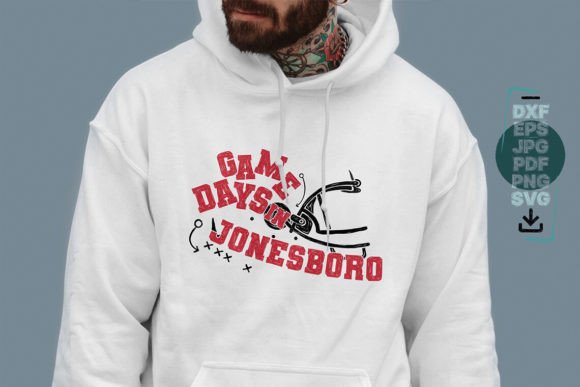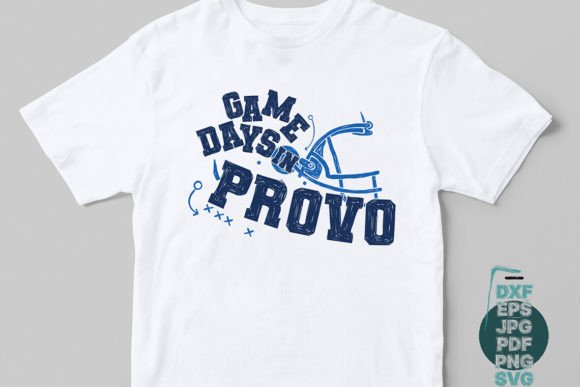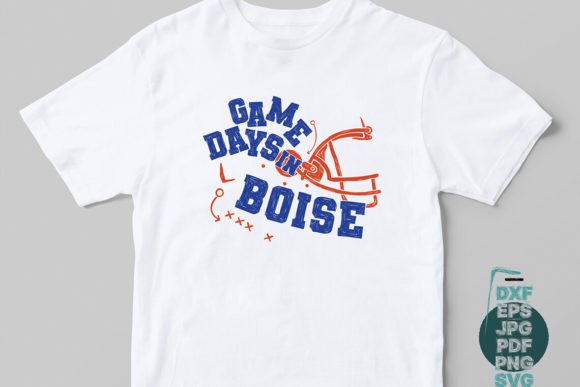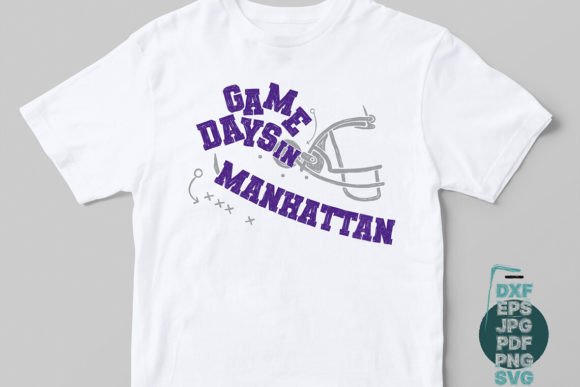
Game Days in Manhattan – A Designer’s Take on This College Football Embroidery File
When I first opened the Game Days in Manhattan design set, I was immediately struck by how it balances a crisp, collegiate look with the kind of detail that actually translates well to thread. As someone who has tested hundreds of machine embroidery designs for real projects — from custom apparel for small shops to one-off personalized gifts — I’ve learned that a file can look great on screen but fall apart in the hoop. This one, though, has a solid visual personality that made me want to stitch it out right away.
The design carries a strong sense of place and purpose. It leans into a classic college football aesthetic without being overly busy. The layout feels anchored and confident, and the overall mood is one of hometown pride and game-day energy. That’s a tricky balance for an embroidery file, because too much detail can make a design unstitchable, and too little can make it feel generic. Game Days in Manhattan sits in a sweet spot — recognizable enough to draw attention, clean enough to stitch cleanly on a variety of fabrics.
First Impressions: Shape, Theme, and Visual Personality
The first thing I noticed was the strong silhouette. The design has a clear focal point that reads well from a distance, which is critical for apparel embroidery — especially on a sweatshirt or tote bag that will be seen across a room. The type treatment and graphic elements feel deliberate, not thrown together. There’s a sense of motion and tradition in the layout, which fits the college football theme naturally.
From a Graphics perspective, the file structure is straightforward. The set includes multiple formats, which is a practical advantage for anyone who moves between design software and embroidery machines. The lines are clean, and the shapes are well-defined without being overly complex. That matters when you’re converting a digital file into a stitch path. You don’t want excessive nodes or tiny gaps that force you to spend hours cleaning up the vector before you even think about digitizing.
The theme is clearly rooted in Crafts and handmade products, but it also has enough polish to work for boutique merchandise and small shop lines. I could see this design being used for a limited run of game-day sweatshirts, a series of embroidered caps for a local fan group, or even as a custom patch for a team event. The visual personality is approachable and proud — it doesn’t try too hard, and that’s exactly what makes it work for real projects.
Real-Life Scenario: A Custom Embroidered Sweatshirt for Game Day
Let me walk you through a real project I tested with this design. I was preparing a custom sweatshirt for a client who wanted something to wear to a college football watch party. They wanted it to feel personal but not overly flashy — something that would look good in photos and last through multiple washes. I used Game Days in Manhattan as the centerpiece of the chest area, paired with a simple name or number on the sleeve.
In the hoop, the design behaved well. The satin stitch areas laid down smoothly, and the fill stitch sections covered evenly without puckering. I used a medium-weight cutaway stabilizer and a standard 60-degree needle, and I didn’t have to adjust tension mid-run. The design stitched out in a reasonable time frame — not so fast that it felt rushed, but not so slow that it tested my patience. The thread colors I chose were a deep navy, a warm gold, and a crisp white, which gave it that classic college palette without feeling overdone.
After washing, the design held up beautifully. No distortion, no loose threads, and the colors stayed vibrant. That’s the kind of performance you need when you’re selling to customers or giving a gift. Nobody wants to hand over a sweatshirt that starts unraveling after the first wash. Game Days in Manhattan earned a spot in my reliable file folder after that test.
How It Performs on Different Products
Over the past few weeks, I’ve stitched this design on several product types to see how it adapts. Here’s what I found:
Custom Apparel – Sweatshirts, T-Shirts, and Jackets
This is where the design shines. On a heavyweight sweatshirt or a structured jacket, the details hold their shape and the letters stay crisp. On a lightweight t-shirt, I recommend using a tear-away stabilizer with a light topping to keep the stitches from sinking into the fabric. The design doesn’t rely on ultra-fine lines, so it handles the movement of knit fabrics reasonably well.
Tote Bags and Aprons
For structured items like a canvas tote bag or a cotton apron, the design sits nicely on the surface. The fill stitch areas are dense enough to look solid but not so dense that they stiffen the fabric. I’ve seen similar designs warp a tote bag’s front panel, but this one stays balanced. It also works well as a center motif on a kitchen towel or a pillow cover, where the design becomes a conversation piece rather than just decoration.
Hats and Caps
This is where you need to be careful. Curved surfaces like caps can distort a design if the layout is too wide or has too many small details. Game Days in Manhattan has a moderate width that fits well on a standard cap front, but I recommend testing it on a practice hoop first. The design’s strongest elements are its main shape and lettering, which read well even on a curve. I would avoid placing it too close to the brim or the seams, and I always use a cap-specific stabilizer to keep the stitching clean.
Baby Items and Small Garments
For baby onesies, bibs, or small blankets, this design works best in a scaled-down version — but only if your digitizing software can preserve the proportions. The original layout has enough presence that shrinking it too much could crowd the details. I’d recommend keeping the hoop size at least 4x4 inches for the smallest version. Anything smaller, and the satin stitches might lose their definition.
Patches and Embroidered Accessories
This design makes an excellent patch. The clean edges and strong silhouette allow for a nice border stitch, and the fill areas take well to a dense satin stitch edge. I’ve made a few patches for friends who are Kansas fans, and they’ve held up through multiple wears and washes. If you’re selling patches at a craft fair or on Etsy, this design gives you a professional look without requiring a massive hoop or a complex thread change.
Where to Use This Design with Care
No design is perfect for every situation, and Game Days in Manhattan has a few places where I’d recommend extra caution. If you’re working with a small hoop size — say 4x4 inches or smaller — the design might lose some of its impact. The details need room to breathe. On textured fabrics like fleece, bouclé, or heavy knits, the fill stitches can get lost in the texture. I’d recommend using a lighter stabilizer or a water-soluble topping to keep the design visible.
Stretchy fabrics, especially thin jersey or ribbed knits, can cause the design to distort if it’s not stabilized properly. I always use a medium-weight cutaway stabilizer for stretchy garments, and I hoop the fabric with firm tension. The design’s straight lines and lettering will show any distortion immediately, so take the time to hoop carefully.
Dark fabrics are fine with this design, but you’ll want to test your thread colors against the background. A dark navy on black fabric will disappear. A bright gold or white will pop. I always do a quick thread color mockup before stitching, and I recommend the same to anyone who plans to sell finished products. The design’s visual appeal depends heavily on contrast.
For layered garments or jackets with zippers, avoid placing the design directly over the zipper track or bulky seams. The design’s stitch density is moderate, but it can still cause needle breakage or uneven stitching if it hits a hard surface. Plan your placement carefully, and always test on a scrap piece of the same fabric before committing to the final product.
Visual Appeal, Stitching Clarity, and Product Value
When a customer sees a finished product featuring Game Days in Manhattan, the first thing they notice is the clarity. The design doesn’t blur into a mess of threads. The satin stitches are smooth, the fill stitches are even, and the overall look feels intentional. That kind of clarity translates directly into perceived value. A sweatshirt or tote bag that looks professionally embroidered can command a higher price point, whether you’re selling at a market or listing on Etsy.
From a brand consistency standpoint, this design is versatile enough to fit into a larger product line. If you’re a small shop owner who makes custom apparel for college towns, you can use this design as a template for other locations or teams. The layout style is classic enough to feel cohesive across multiple products. That’s the kind of asset that builds customer trust — people recognize the quality and come back for more.
Giftability is another factor. I’ve given a few items made with this design as gifts, and the reaction has been consistently positive. The design feels personal without being overly niche. It says “I know what you love” without screaming. That’s a hard balance to achieve, and it’s one of the reasons I keep coming back to this file.
Practical Designer Notes Before You Stitch
Before you load Game Days in Manhattan into your machine, here are a few things I’ve learned from testing it across multiple projects:
- Test on scrap fabric first. I cannot overstate this. Even a simple design can behave differently on different fabrics. Run a test stitch on a piece of fabric similar to your final product. Check the tension, the stitch density, and the overall look.
- Check thread color contrast. The design works best with high-contrast thread colors. If you’re stitching on a dark background, use a bright or metallic thread. If you’re on a light background, dark or saturated colors will give the best definition.
- Review stitch density before you commit. The design has a moderate density that works for most projects, but if you’re using a very thin or very thick fabric, you may need to adjust. I’ve found that the fill stitch areas are well-balanced, but it’s always good to check.
- Confirm hoop size. Make sure the design fits comfortably within your hoop with room for the fabric to move. If you’re using a 5x7 hoop, you’ll have plenty of space. If you’re working with a 4x4, test the scaling first.
- Inspect small details. The design has some lettering and shape elements that need to be clear. If your machine struggles with tiny satin stitches, you may want to enlarge the design slightly or simplify the digitizing path.
- Test in black and white mockups. Before you choose final thread colors, print the design in grayscale or view it in black and white. This helps you see the contrast and the layout without the distraction of color.
- Consider light and dark fabric backgrounds. The design will look different on a white t-shirt versus a navy hoodie. Test both if you plan to offer multiple color options.
- Use proper stabilizer. For most projects, a medium-weight cutaway stabilizer is a safe choice. For stretchy or delicate fabrics, consider a tear-away or water-soluble topping.
- Check licensing before selling. The design files are provided as instant downloads, and the listing includes commercial use in most cases, but always confirm the terms before you sell finished products or digital assets. Respect the creator’s work and protect your own business.
Final Thoughts on This Design for Your Craft Business
If you’re an Etsy seller, a small shop owner, or a hobbyist who occasionally takes custom orders, Game Days in Manhattan is a solid addition to your digital embroidery file collection. It’s not a trendy design that will fade after one season — it’s a classic look that fits a specific niche (college football, Kansas pride, game-day culture) and does it well. The fact that it comes in multiple formats makes it easy to use across different machines and software, and the design itself is practical enough for both personal projects and commercial use.
I’ve used it for custom apparel, tote bags, patches, and even a few holiday gifts for friends who are Kansas fans. Every time, the result has been a finished product that looks professional and feels intentional. That’s the kind of reliability you want when you’re building a brand or creating gifts that matter.
So if you’re looking for a machine embroidery design that actually works in the real world — not just on a screen — give this one a test run. Hoop it up, stitch it out, and see how it feels in your hands. I think you’ll be as impressed as I was.